Whole Dried Chili Sourcing: What Buyers Should Specify Before Bulk Purchasing
Understanding the Raw Material
Whole dried chili is purchased for milling, crushed chili production, seasoning blends and sauce manufacturing. Selecting suitable material starts with understanding how it will be used.
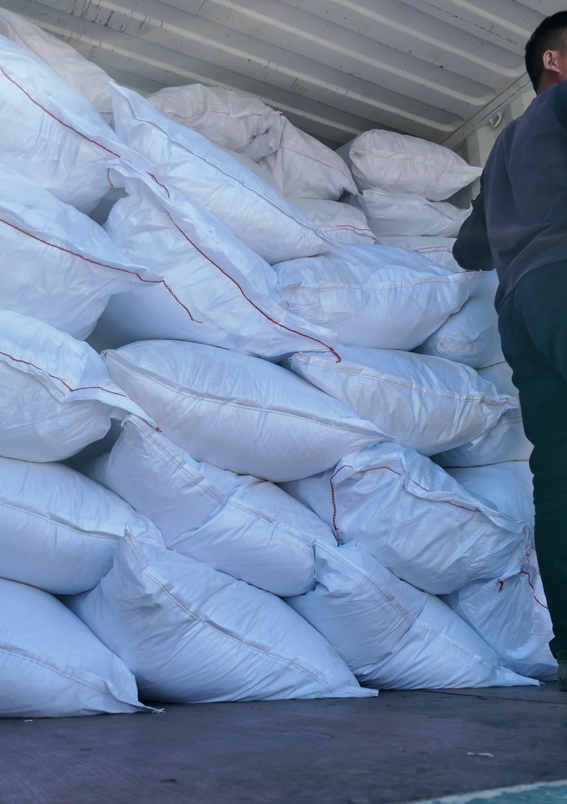
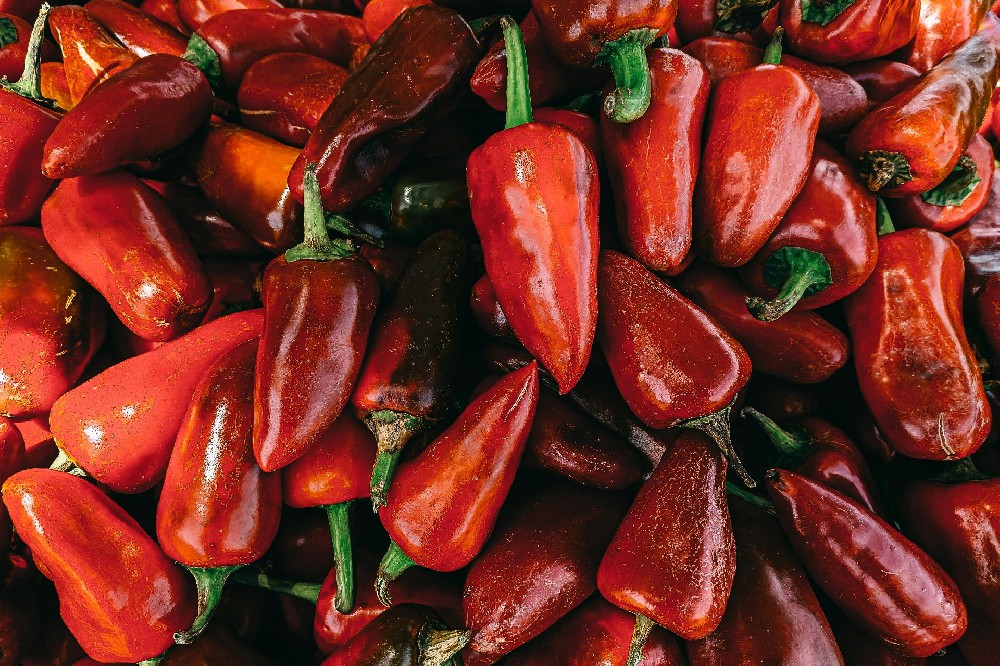
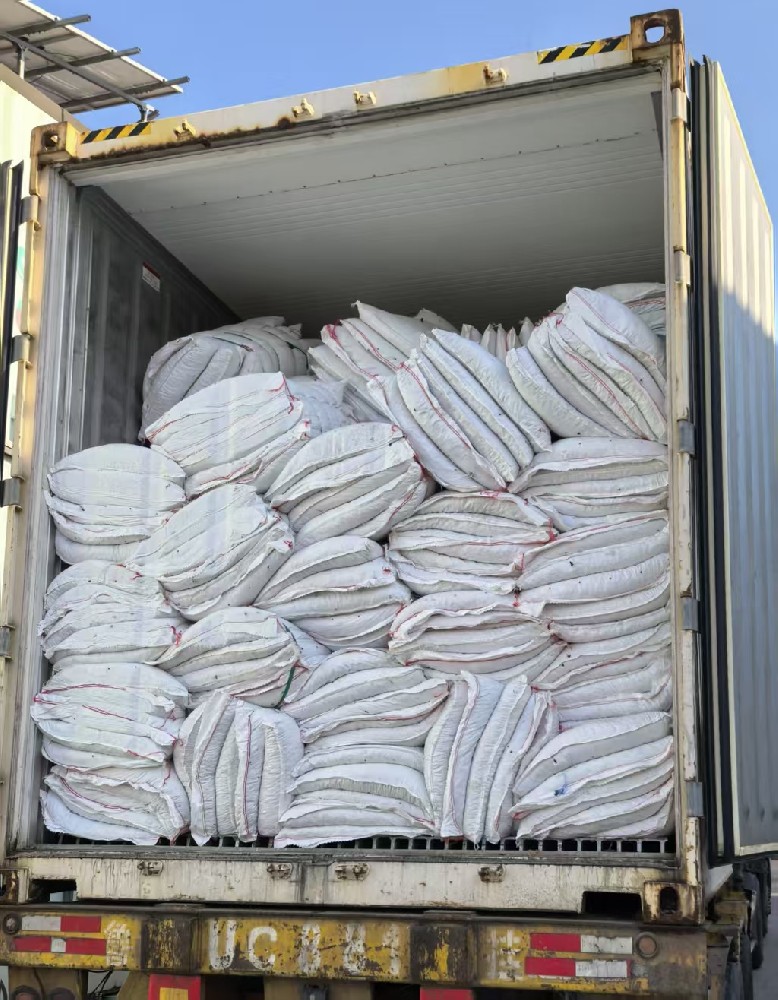
The accompanying video shows dried chili pods at close range, followed by conveyor handling and bulk accumulation. These views illustrate physical appearance and material movement. They do not establish variety, origin, analytical values or the suitability of storage conditions.
For procurement teams, visual review should lead to a written specification and representative sample evaluation.
Define the Purchasing Specification
Variety, Origin and Product Condition
Buyers should confirm the variety and country of origin separately from the supplier’s processing or dispatch location.
Stem status also matters. Material requiring additional stem removal or sorting may create different preparation costs from material supplied to an agreed stemless specification.
| Parameter | What to Confirm |
|---|---|
| Product identity | Variety, origin and lot identification |
| Physical condition | Stem status, damaged-pod and foreign-matter tolerances |
| Scoville Heat Units | Target range and agreed testing method |
| Moisture content | Maximum percentage and measurement method |
| Food safety | Destination-specific limits and supporting documentation |
Match the Material to the Application
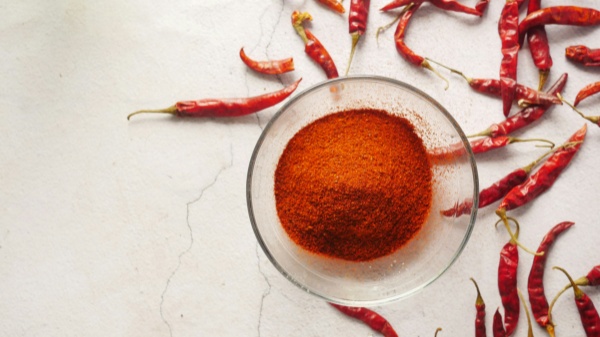
For chili powder production, buyers may need to evaluate milling behavior, heat contribution and extractable color. Where relevant, specify an ASTA color value supported by an agreed analytical method.
For crushed chili, consider the intended particle dimensions and seed proportion. Sauce manufacturers should evaluate samples in the actual recipe, where inclusion rate and processing conditions affect the finished result.
Review Samples and Batch Documentation
A representative sample allows the buyer to examine the material under its own processing conditions. Record the sample identity and agreed requirements so later comparisons refer to the same specification.
A product specification sheet states acceptance limits. A batch Certificate of Analysis reports results associated with an identifiable lot. Both have a role in supplier discussions, but they serve different purposes.
Changfeng Agro is a professional chili supplier based in Jiaozhou, Qingdao, China. Its core product range includes Red Dragon 23, Beijing Red, Indian S17 and chili powder.
Buyer FAQ
Can pod appearance confirm heat level?
No. Scoville Heat Units should be supported by appropriate capsaicinoid analysis rather than inferred from appearance.
What information should accompany an inquiry?
Include the intended application, destination, estimated quantity, preferred variety, stem requirements and target technical parameters.
Request a Free 200g Evaluation Sample
Contact Changfeng Agro to discuss a free 200g sample for your application. Sample availability and shipping arrangements will be confirmed before dispatch.
🌐 Website: cfmagro.com
📧 Email: [email protected]
📱 WhatsApp: +86 13355329772