Chili Flakes Particle Size: What Screening Means for Food Manufacturers
Why Particle Size Deserves a Clear Specification
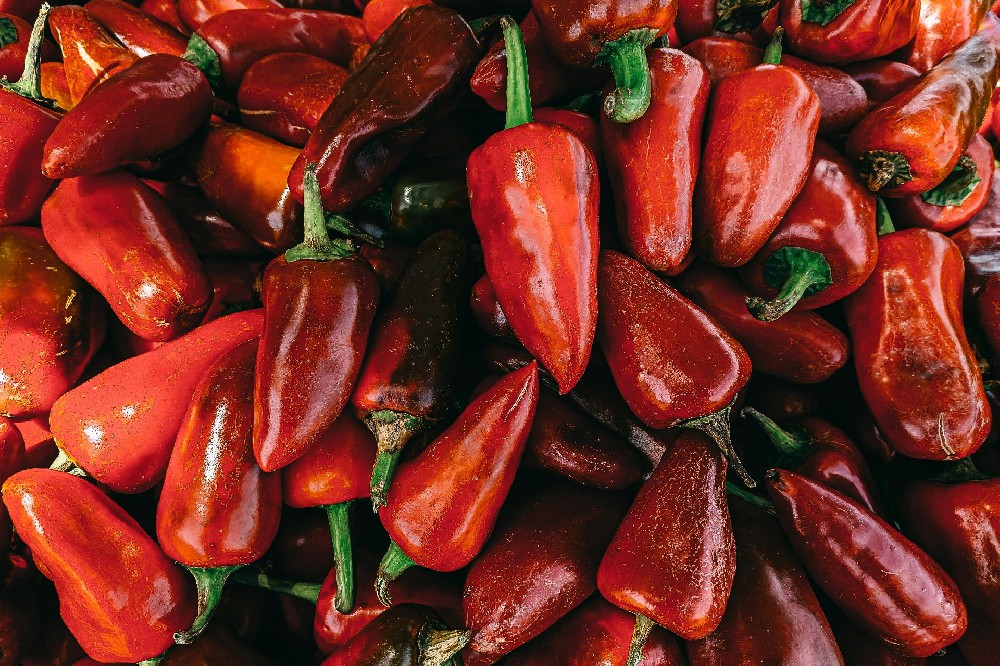
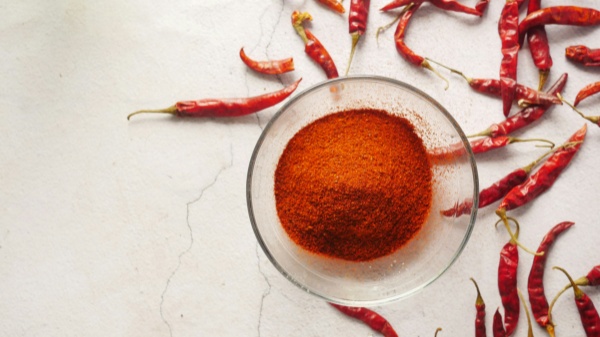
“Chili flakes” describes a product category, but it does not fully define the ingredient. Two samples may contain different proportions of larger pieces, fine particles and seeds, even when they appear similar at first glance.
For food manufacturers, those differences can affect visible texture and performance in a formulation. Buyers should therefore agree on a measurable particle-size specification alongside a representative sample.
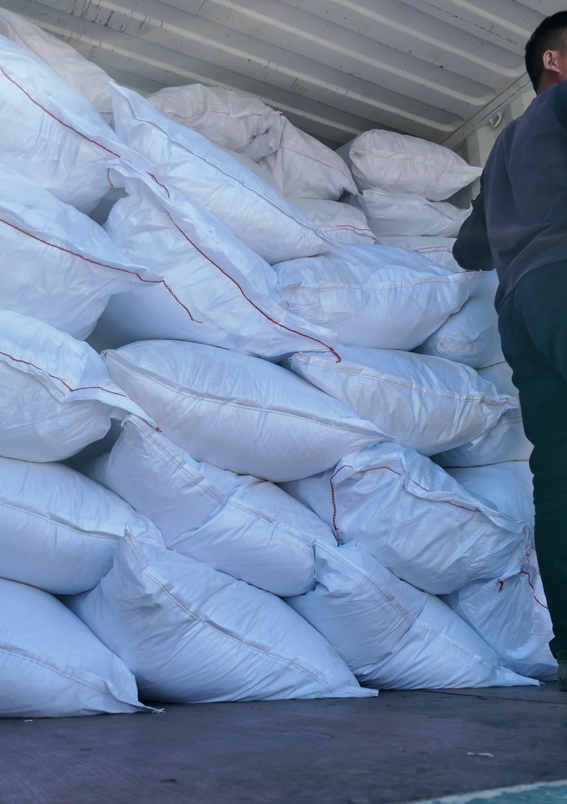
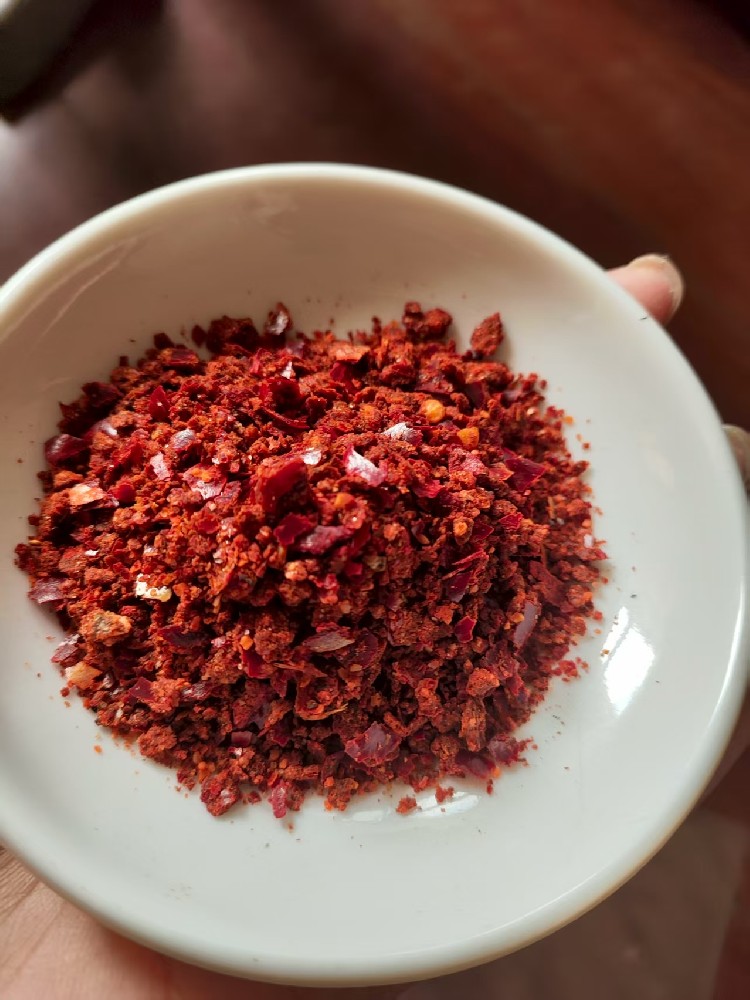
The accompanying video shows material handling, equipment processing, a screening surface and a close-up of crushed chili. It illustrates the topic without establishing a particular mesh size or batch result.
What Screening Does
Screening separates material according to its ability to pass through selected openings. Depending on the equipment configuration, it can help separate oversized pieces or fine particles from the intended fraction.
Screening alone does not establish heat level, extractable color or microbiological compliance. Those characteristics require separate specifications and appropriate verification.
Define More Than a Mesh Number
A mesh designation should be accompanied by the relevant sieve standard and acceptance criteria. Where practical, include the nominal opening size in millimetres or micrometres.
For irregular chili flakes, passage through a screen can also depend on particle shape and orientation. An agreed test procedure makes comparisons more meaningful.
| Specification Item | What Buyer and Supplier Should Agree |
|---|---|
| Sieve standard | The standard used to describe and test granulation |
| Size distribution | Acceptable proportions passing or retained on specified sieves |
| Fines | Maximum permitted fraction below the agreed lower size |
| Oversized particles | Maximum permitted fraction above the agreed upper size |
| Seed proportion | A separate requirement where commercially relevant |
Match the Ingredient to the Application
Seasoning Blends
Visible flakes may be an intentional part of a seasoning’s appearance. Review the sample in the complete blend, including whether particle differences contribute to segregation during handling.
Sauce Manufacturing
Evaluate the ingredient in the actual sauce formulation. Mixing, hydration and cooking conditions can influence the final texture, so a dry sample alone may not predict the finished result.
Use the same recipe and processing conditions when comparing candidate samples.
Discuss Your Chili Flakes Requirements
Changfeng Agro is a professional chili supplier based in Jiaozhou, Qingdao, China. Buyers can share their application, reference sample and target particle-size requirements to begin a product discussion.
Can a photograph confirm a mesh specification?
No. Photographs show appearance, while an agreed sieve analysis is needed to evaluate particle-size distribution.
Does screening set the seed proportion?
Not necessarily. Seeds and chili fragments may overlap in size. Seed proportion should be agreed and evaluated separately.
Request a Free 200g Evaluation Sample
Contact Changfeng Agro to discuss a free 200g evaluation sample. Sample availability and shipping arrangements will be confirmed before dispatch.
🌐 Website: cfmagro.com
📧 Email: [email protected]
📱 WhatsApp: +86 13355329772