Whole Dried Chili Visual Grading: How to Define Defects for Beijing Red and Red Dragon 23
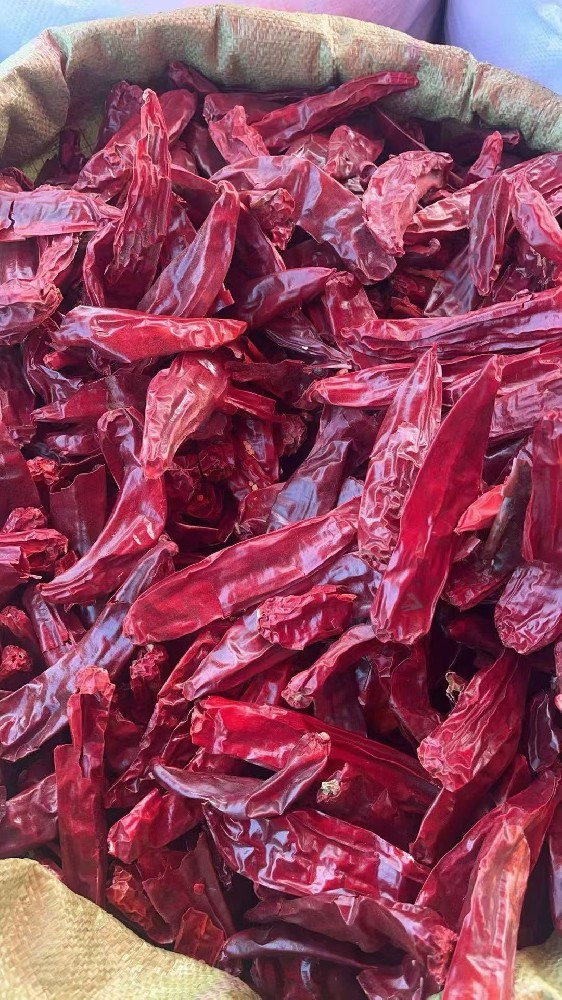
Whole dried chili is bought by eye as much as by lab report. Two lots of Beijing Red or Red Dragon 23 can share a similar ASTA color value and still look very different when the bag is opened: one has full, glossy pods; the other has broken pieces, pale tips and loose seeds at the bottom. If the purchase contract only says "Grade A", both sides will disagree about what was ordered.

This guide explains how to turn visual quality into measurable inquiry terms, so samples, pre-shipment checks and arrival inspection all use the same yardstick.
Why visual grading matters for food manufacturers
Whole-pod buyers (retail packers, hot-pot and restaurant supply) sell appearance directly to the end customer.
Grinders and sauce makers care less about shape, but broken pods, loose seeds and stems shift color, heat and yield in the finished powder.
Foreign matter is a food safety issue, not only a cosmetic one, and should be treated separately from cosmetic defects.
Common defect categories to name in an inquiry
| Defect category | What it means | How to specify |
|---|---|---|
| Broken / crushed pods | Pods split or broken below an agreed length | Maximum % by weight, buyer-defined |
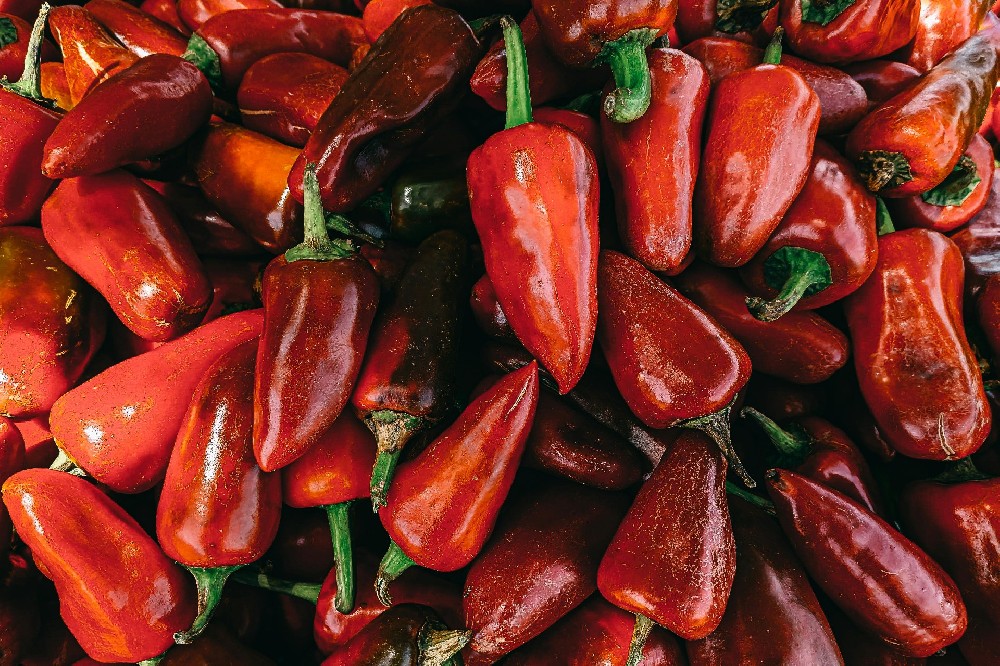
| Discolored pods | Pale, yellow, white-tipped or dark spotted pods | Maximum % by weight; agree a reference photo |
| Loose seeds | Seeds separated from pods in the bag | Maximum % by weight |
| Stems and calyx | Stem-on or stemless, plus loose stems allowed | State the form, then a % limit |
| Mold or insect damage | Visible mold, holes or insect traces | Normally zero tolerance; confirm the standard |
| Extraneous matter | Stones, plastic, string, soil, other plant material | Normally zero tolerance for hazardous matter |
| Pod length / size | Typical length range for the variety | Range in cm, with % allowed outside range |
The numbers belong to the buyer and the destination market. A variety name such as Beijing Red or Red Dragon 23 does not fix a defect limit by itself; growing season, sorting and storage all affect the lot.
Beijing Red vs Red Dragon 23: what to watch visually
Both varieties are chosen mainly for color with controlled heat, so color uniformity is usually the first visual check. When requesting a quotation, tell the supplier which form you need (whole stem-on, stemless, cut, crushed or powder), because the defects that matter change with the form. For a whole-pod retail pack, broken and discolored pods are critical; for a grinding lot, moisture, loose seeds and foreign matter matter more than shape.
How to write visual grading into a purchase specification
Agree a reference sample. Keep a sealed portion of the approved sample on both sides and refer to it in the contract.
Use weight percentages, not words. Replace "few broken pods" with a maximum % by weight per defect category.
Define the sampling method. State how many bags are opened and how the test portion is drawn, so the result is repeatable.
Separate safety from appearance. Mold, insects and hazardous foreign matter should have their own clause and documentation, apart from cosmetic grade.
Link visual grade to lab results. Visual grading complements, not replaces, batch documents for ASTA color, SHU, moisture, aflatoxin and pesticide residues as required by your market.
Ask for photos before loading. Pre-shipment photos of opened bags help confirm the lot matches the approved sample.
FAQ
Can the supplier guarantee zero broken pods?
Some breakage happens during drying, sorting and transport, so a realistic contract sets a maximum percentage instead of zero. Packaging choice and handling also affect breakage on arrival.
Should visual grading be part of the sample approval?
Yes. Approve the sample on appearance and on lab parameters together, then use the retained sample as the reference for later shipments.
Request a sample or specification discussion
Changfeng Agro is a chili and spice ingredient supplier based in Jiaozhou, Qingdao, China, supporting specification-based B2B inquiries for Beijing Red, Red Dragon 23 and other dried chili products. Share your intended product form, defect limits, lab parameters, packaging and destination market, and we will confirm what can be offered for a sample.
Website: cfmagro.com | Email: [email protected] | WhatsApp: +86 13355329772
Samples of 200 g are free, with freight paid by the buyer; final specifications are subject to batch confirmation.