Dried Chili Stems and Foreign Matter: How to Specify Them
For dried chili, decide the stem form first: stem-on, stemless or cut. Then write maximum limits for residual stems, broken pods, discolored pods and foreign matter into your inquiry, with zero tolerance for stones, metal, plastic and hair. Beijing Red and Red Dragon 23 can share the same table, but the limits should be set for each variety and end use.
Most chili disputes we hear about are not about color or heat. They are about a "stemless" lot that still has stems in it, or a bag with too many split pods. These are easy to prevent if they are written down before the sample goes out.

Stem-on vs stemless chili: which should I buy?
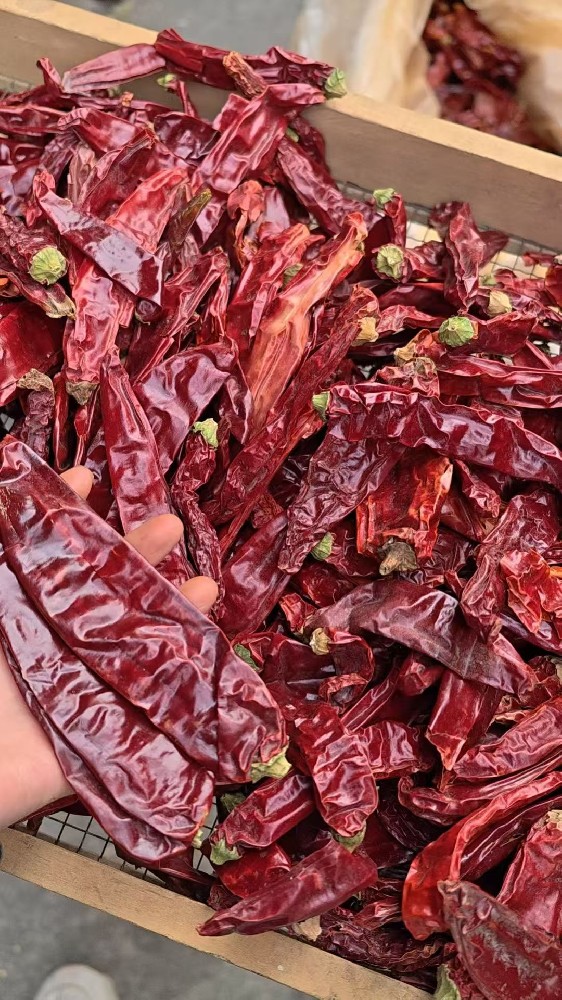
Stem-on whole pods keep the stem and calyx. They cost less to process, and they make sense if your own plant will cut, grind or extract the chili. Stemless pods have the stem and calyx removed, by machine or by hand. Retail packs, hot pot and food service usually want stemless, because the pod is visible or goes into the dish whole.
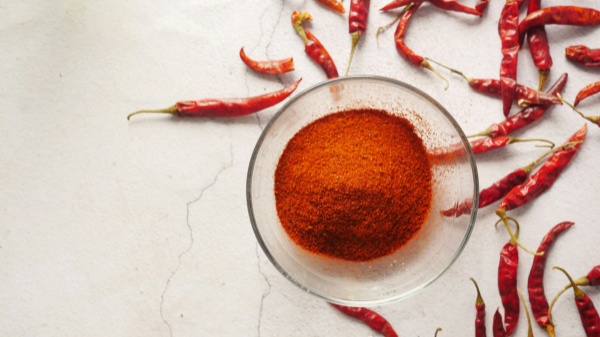
For cut chili, crushed chili and powder, the stems should come off before cutting. Ground stem is pale and woody. It pulls the color down and changes the texture, and once it is ground nobody can sort it out.
In practice, Beijing Red is often bought for color in sauces, chili oil and seasoning blends, and Red Dragon 23 is often bought as whole pods where looks matter. Our article on choosing Beijing Red or Red Dragon 23 by application goes into that. Whichever you pick, put the stem form in the first line of the inquiry, next to the variety, not as a note at the end.
What should a dried chili specification include for stems and foreign matter?
This is the table we suggest buyers fill in. The numbers depend on your market and end use, so agree them in writing before the sample is sent. Then the approved sample and the bulk lot are judged against the same sheet.
| Item | What to specify | Why it matters |
|---|---|---|
| Variety | Beijing Red or Red Dragon 23 | Color, heat and pod shape differ |
| Stem form | Stem-on, stemless, cut or powder | Changes cost and usable yield |
| Residual stems | Maximum % by weight in stemless lots | Stops "stemless" meaning "mostly stemless" |
| Broken pods | Maximum % of broken or split pods | Matters most for whole-pod retail |
| Discolored or spotted pods | Maximum % of off-color pods | Affects appearance and final color |
| Foreign matter | Maximum %, zero for stones, metal, plastic, hair | Food safety and customs risk |
| Moisture | Maximum % | Mold risk in transit |
| Testing basis | Supplier QC, third-party lab or buyer QC | Decides who says a lot passes |
Moisture belongs here because it interacts with breakage: pods that are too dry snap during handling, pods that are too wet risk mold. Our guide on moisture and storage requirements covers it in more detail.
How do you count stems and broken pods in a chili sample?
A QC check does not need a lab. Weigh out a portion, 500 g is a convenient size, on a clean white tray. Pick out every pod that still has a stem, every loose stem, every broken or split pod, discolored pods, and anything that is not chili. Put each group in its own small pile and weigh it. Divide each pile by the portion weight and you have a percentage you can compare with the contract.
Do it on more than one portion, taken from different bags. One bag from the top of the pallet tells you very little about the lot. Write the bag numbers on the record so the result can be traced.
How is dried chili cleaned and sorted?
Cleaning usually runs in this order: dust and loose material removed, then destemming, then sorting out broken, moldy and discolored pods, then a final check for foreign matter before packing. Metal detection and visual inspection are commonly requested for chili going into food manufacturing. If your market needs a specific step, metal detection for cut chili for example, list it in the inquiry so it is in the price from the start.
How should a sample be approved before the bulk order?
Ask for a sample of the same variety and stem form you plan to order. Count it against your table as above. Keep part of the approved sample sealed as the reference for the bulk lot. Then ask that the batch documents, the COA and packing list, report the same items, so you are comparing like with like when the goods are ready.
FAQ
Is stemless always better than stem-on?
No. If your factory grinds or extracts the chili, stem-on can be the cheaper choice. Stemless is worth paying for when consumers see the pod or when stems would hurt color and texture.
Can I use one specification for Beijing Red and Red Dragon 23?
Use the same table, but set the values per variety and end use. Pod size, shape and typical use differ, so limits for broken pods may need adjusting.
What counts as foreign matter in dried chili?
Anything that is not chili: straw, leaves, dust clumps, stones, metal, plastic, string or hair. Many buyers allow a small % of plant material but zero for stones, metal, plastic and hair.
About ChangFengAgro
ChangFengAgro is a dried chili and spice supplier in Jiaozhou, Shandong, China, offering Beijing Red, Red Dragon 23, paprika, dehydrated garlic, ginger and other spices to food manufacturers, importers and private-label buyers. To request a sample or a quote for Beijing Red or Red Dragon 23, use the inquiry form on cfmagro.com or call +86 13355329772.