Red Dragon 23 COA: What to Check Before a Chili Shipment
A Red Dragon 23 COA (certificate of analysis) is the lab sheet for one specific lot of dried chili. Before you approve a shipment, check that the lot number on the COA matches the bags and packing list, that each result sits inside your contract specification, and that the test method is named. Then compare a pre-shipment sample from that same lot with the sample you approved.
Below is how we walk buyers through it here in Jiaozhou, Shandong, and where problems usually hide.

What is a batch COA for Red Dragon 23 chili?
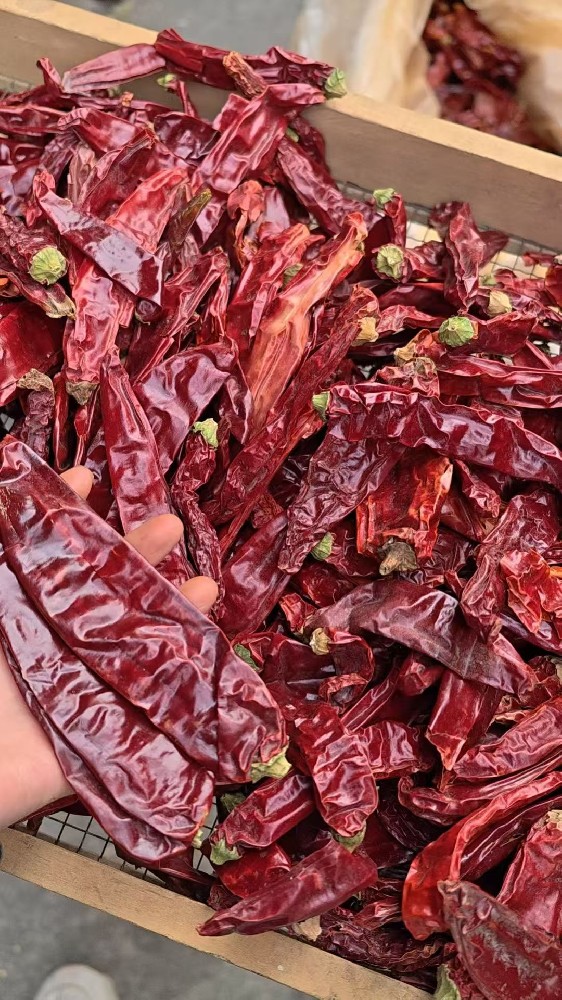
The variety name tells you what kind of chili you bought. The COA tells you what is in the lot that is about to be loaded. Red Dragon 23 is a Chinese chili variety sold as whole pods, crushed chili and powder, and like any crop it varies between fields and harvests. So a COA only means something when it belongs to one lot, tested close to the shipping date.
How do I know the COA belongs to my shipment?
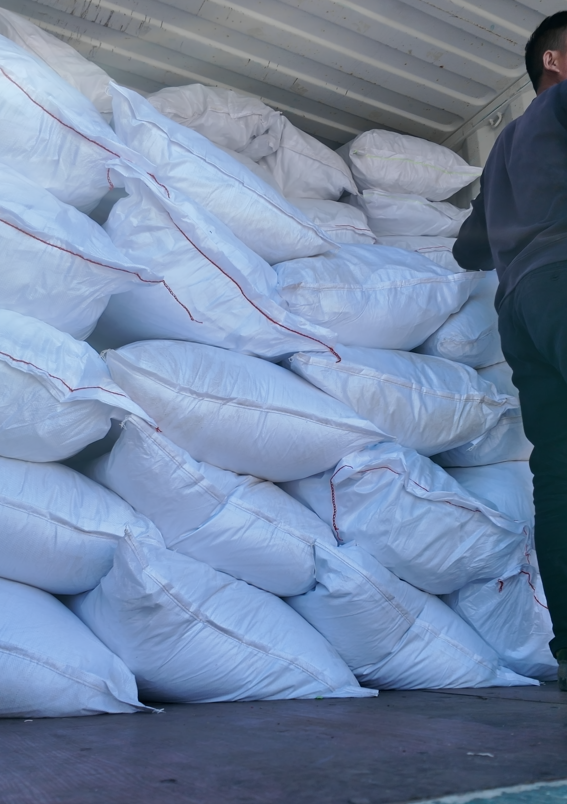
Look at traceability before you look at any numbers. The lot number on the COA should also be printed on the bag label or carton and on the packing list. A useful bag label carries the product name, form, lot number, net weight and production date, so someone at the port can match it without opening anything.
Also check that the product form is written out in full, for example "Red Dragon 23 dried chili, stemless, whole" rather than just "chili". The test date should be after your sample approval. And if one container holds two lots, ask for two COAs. One summary sheet for several lots is how an off-spec lot slips through.
Which test results should a chili COA show?
The limits come from your contract and your approved sample, not from a generic sheet. This table lists the items buyers most often check and what we would look for on each line.
| COA item | Why it matters | What to check |
|---|---|---|
| Color value (ASTA or extractable color) | Drives color in sauces, seasonings and oleoresin | At or above your contract minimum, method named |
| Pungency (SHU or capsaicinoids) | Sets the heat of your finished product | Inside the agreed range; HPLC is a common method |
| Moisture | Mold risk, weight loss, grinding behavior | At or below your contract maximum |
| Mesh or particle size | Texture and dispersion in crushed chili and powder | Matches the agreed mesh or size range |
| Seed content | Changes color, heat and look of crushed chili | Within your stated limit |
| Stems, broken pods, foreign matter | Visual grade and food safety for whole pods | Within the limits in your contract |
| Microbiology | Safety for ready-to-eat use | Items and limits match your market and end use |
| Aflatoxin and ochratoxin A | Regulated in many import markets | Tested if your market requires it, limits stated |
| Pesticide residues, Sudan dyes | Market access and fraud control | Which panel, which lab |
A result with no method next to it is hard to argue about later. For background on the individual items, see our guides on moisture and storage requirements and particle size and seed content. We are also preparing a separate guide on how to specify stems, broken pods and foreign matter for whole pods.
Should I still ask for a pre-shipment sample?
Yes, at least for a first order or a new specification. Numbers on paper can pass while the chili looks wrong. Keep part of your approved sample sealed, and write its reference number on the purchase order. Then ask for a pre-shipment sample taken from the actual lot and labelled with the same lot number as the COA. Compare the two under the same light, and raise any clear difference before loading. After arrival it is a claim; before loading it is just a conversation.
It also helps if both sides keep a sealed, labelled retained sample from the shipped lot, so a question months later can be settled by looking at the same material.
Supplier COA or third-party lab: which do I need?
Both are valid, they just do different jobs. A COA from the supplier's own QC is normal for routine shipments. Many buyers add third-party testing for the first order, for a new destination market, or for safety items such as mycotoxins and pesticide residues. Agree in the contract which items go to a third-party lab, which lab, and who pays.
What to write in your RFQ
A few plain lines in the inquiry save a lot of back and forth later:
- One COA per lot, lot number matching the bag marking and packing list.
- COA to show color value, SHU, moisture and any form-specific items, with test methods.
- Pre-shipment sample from the shipping lot, approved before loading.
- Third-party testing for the listed items, lab to be agreed.
If you are still deciding between varieties, our comparison of Beijing Red and Red Dragon 23 may help first.
FAQ
Can a COA from an earlier lot be used for a new shipment?
No. Dried chili varies between lots and harvests. Each shipment needs a COA for the lot actually being shipped.
Is the COA enough, or do I still need a sample?
For a first order, use both. The COA confirms measured values; the sample lets your team check color, heat and appearance against the approved reference.
Who decides if a lot passes?
Whoever the contract names. Write down whether the supplier COA, a third-party lab or your own incoming QC is the final basis.
About ChangFengAgro
ChangFengAgro is a dried chili and spice supplier in Jiaozhou, Shandong, China, supplying Red Dragon 23, Beijing Red, paprika, dehydrated garlic, ginger and other spices to food manufacturers, importers and private-label buyers. Send your Red Dragon 23 specification, product form and destination market through the inquiry form on cfmagro.com to request a sample or a quote, or call +86 13355329772.