Dried Chili ASTA Color: How to Specify It in Inquiries
ASTA colour is a laboratory number for extractable colour in capsicum, not a judgement of how red the pods look in the bag or in a photograph. Write a numeric ASTA range, the test method and the product form you will test into the Beijing Red or Red Dragon 23 inquiry, and ask for the same result on the lot certificate of analysis (COA). A visual match to an approved sample is still useful, but it does not replace an ASTA limit.

What does an ASTA colour value actually measure?
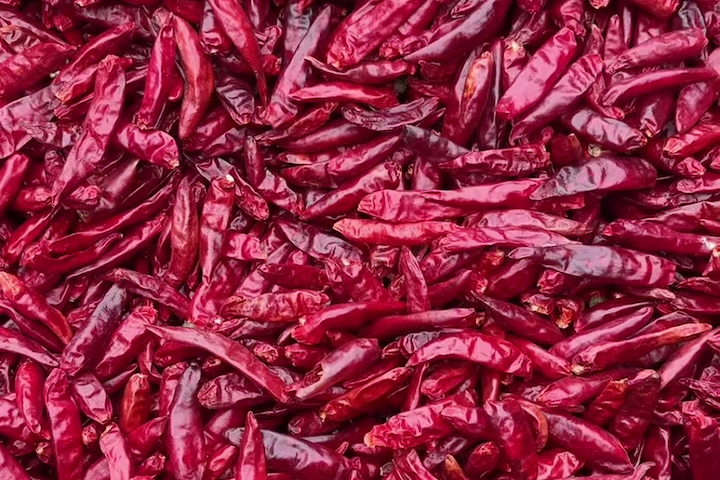
The ASTA colour value, commonly reported by ASTA method 20.1, measures colour that can be extracted from the chili and is expressed as a single number for that sample. It is not a grade name, and it is not the same thing as “looks red” or “looks dark.” Two lots of the same variety can sit side by side and look similar, yet return different ASTA results. A glossy, deep-red pod can also extract less colour than a buyer expected from the photo.
Visual checks still have their own job. Broken pods, pale tips and mixed colour in the bag should be written as defect limits, as in the visual grading note, not used as a substitute for the laboratory number.
How should ASTA be written in the inquiry?
“High colour” or “good red” cannot be checked on a COA. The table below is a writing checklist, not a published specification for either variety.
| Field | What to write | Why it matters |
|---|---|---|
| Minimum or range | A number you can test, for example “ASTA ≥ 160” or “ASTA 160–200” | A descriptive word cannot be accepted or rejected at arrival |
| Method and form | Name the method, usually ASTA 20.1, and state whether the test is run on the goods as shipped: whole pods, crushed chili, flakes or powder | The grind and the form can change the number |
| Variety | A separate range for Beijing Red and for Red Dragon 23 | Do not copy one variety’s typical band onto the other |
| Sample and lot | Approve a sample from the same variety and form, then repeat ASTA on the shipment lot and put the result on the COA | The sample result is not the lot result unless they are the same lot |
ChangFengAgro’s public Red Dragon 23 profile quotes typical colour of 160–220+ ASTA as a positioning range, not a guarantee for every lot. Beijing Red is also described as a high-colour, lower-heat variety; write a numeric ASTA range for that variety rather than borrowing the Red Dragon 23 band. The comparison of colour, heat and product form already treats these figures that way.
Why can a red-looking lot still miss the ASTA limit?
Because the eye and the solvent do not measure the same thing. Lighting, surface gloss and how tightly the pods are packed will change how red a lot looks, without telling you how much extractable colour is there. If you are buying the chili as a colour carrier for oil, sauce or a seasoning blend, the ASTA result is the figure that belongs in the contract. Appearance still matters for whole-pod sales, but it should be written as visual defects, not as a stand-in for ASTA.
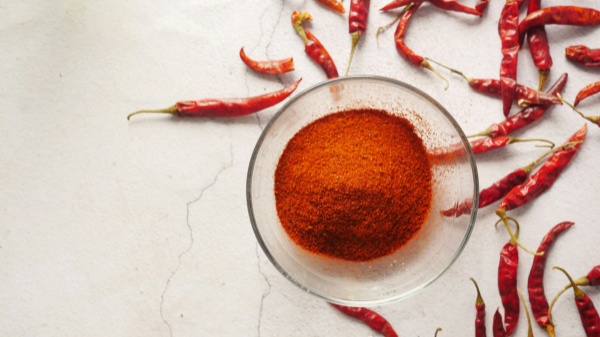
Form also matters. An ASTA approval on whole Beijing Red or Red Dragon 23 pods does not automatically cover crushed chili, flakes or powder of the same variety. Write the limit for the form you are actually buying, and treat a change of form as a new sample, as in the particle size and seed content note.
Colour can also move with the harvest and with time in storage. Crop year and origin belong in the inquiry for that reason, as explained in the crop year and origin note. Older stock is not automatically out of specification, but it needs a current sample and a current ASTA result, not last season’s retain. Moisture still needs its own maximum; an ASTA figure does not replace a written moisture and storage requirement.
Should both varieties use the same ASTA range?
Not by default. Set the range against the end use and against the variety you are buying. A colour-carrier application, such as chili oil or a colour-sensitive powder, usually needs a clear minimum. A whole-pod purchase bought mainly for appearance may still carry an ASTA floor, but the visual limits will do more of the work. Notes on choosing Beijing Red or Red Dragon 23 by application are in the use-by-application article.
If you will accept a wider ASTA window to use a particular lot, write that window into the contract and approve the actual lot. Do not leave it as a verbal “colour is close enough.”
Where should the ASTA result appear after the inquiry?
In the same places as the lot number: the contract, the COA, and the documents that travel with the bags. The Red Dragon 23 COA checklist is the place to confirm that the ASTA figure on the sheet belongs to the lot about to be loaded, and that the method is named. The sample approval note already links the approved sample to that lot; on arrival, compare a bag draw with the retain and, if you retest colour, use the same method and the same form as the COA, as in the arrival-check note.
FAQ
If the pods look as red as the approved sample, do I still need ASTA on the COA?
Yes. Appearance and extractable colour can diverge. Keep the visual check, and still require an ASTA result for the shipment lot against the range in the inquiry.
Can one ASTA limit cover both whole pods and the powder made from them?
Not automatically. Write the limit for the form you are buying. If the same variety will later be supplied as powder or crushed chili, approve that form separately and put its own ASTA range on the inquiry.
About ChangFengAgro
ChangFengAgro is a chili and spice supplier in Jiaozhou, Shandong, China, supplying Beijing Red and Red Dragon 23 dried chili, crushed chili, chili powder, paprika and other spices to food manufacturers, importers and private-label buyers. When you send an inquiry, include the variety, product form, the ASTA range and method you will test, and the other limits you will run. Email [email protected] or WhatsApp +86-13355329772.
ASTA colour is a laboratory number for extractable colour in capsicum, not a judgement of how red the pods look in the bag or in a photograph. Write a numeric ASTA range, the test method and the product form you will test into the Beijing Red or Red Dragon 23 inquiry, and ask for the same result on the lot certificate of analysis (COA). A visual match to an approved sample is still useful, but it does not replace an ASTA limit.
What does an ASTA colour value actually measure?
The ASTA colour value, commonly reported by ASTA method 20.1, measures colour that can be extracted from the chili and is expressed as a single number for that sample. It is not a grade name, and it is not the same thing as “looks red” or “looks dark.” Two lots of the same variety can sit side by side and look similar, yet return different ASTA results. A glossy, deep-red pod can also extract less colour than a buyer expected from the photo.
Visual checks still have their own job. Broken pods, pale tips and mixed colour in the bag should be written as defect limits, as in the visual grading note, not used as a substitute for the laboratory number.
How should ASTA be written in the inquiry?
“High colour” or “good red” cannot be checked on a COA. The table below is a writing checklist, not a published specification for either variety.
| Field | What to write | Why it matters |
|---|---|---|
| Minimum or range | A number you can test, for example “ASTA ≥ 160” or “ASTA 160–200” | A descriptive word cannot be accepted or rejected at arrival |
| Method and form | Name the method, usually ASTA 20.1, and state whether the test is run on the goods as shipped: whole pods, crushed chili, flakes or powder | The grind and the form can change the number |
| Variety | A separate range for Beijing Red and for Red Dragon 23 | Do not copy one variety’s typical band onto the other |
| Sample and lot | Approve a sample from the same variety and form, then repeat ASTA on the shipment lot and put the result on the COA | The sample result is not the lot result unless they are the same lot |
ChangFengAgro’s public Red Dragon 23 profile quotes typical colour of 160–220+ ASTA as a positioning range, not a guarantee for every lot. Beijing Red is also described as a high-colour, lower-heat variety; write a numeric ASTA range for that variety rather than borrowing the Red Dragon 23 band. The comparison of colour, heat and product form already treats these figures that way.
Why can a red-looking lot still miss the ASTA limit?
Because the eye and the solvent do not measure the same thing. Lighting, surface gloss and how tightly the pods are packed will change how red a lot looks, without telling you how much extractable colour is there. If you are buying the chili as a colour carrier for oil, sauce or a seasoning blend, the ASTA result is the figure that belongs in the contract. Appearance still matters for whole-pod sales, but it should be written as visual defects, not as a stand-in for ASTA.
Form also matters. An ASTA approval on whole Beijing Red or Red Dragon 23 pods does not automatically cover crushed chili, flakes or powder of the same variety. Write the limit for the form you are actually buying, and treat a change of form as a new sample, as in the particle size and seed content note.
Colour can also move with the harvest and with time in storage. Crop year and origin belong in the inquiry for that reason, as explained in the crop year and origin note. Older stock is not automatically out of specification, but it needs a current sample and a current ASTA result, not last season’s retain. Moisture still needs its own maximum; an ASTA figure does not replace a written moisture and storage requirement.
Should both varieties use the same ASTA range?
Not by default. Set the range against the end use and against the variety you are buying. A colour-carrier application, such as chili oil or a colour-sensitive powder, usually needs a clear minimum. A whole-pod purchase bought mainly for appearance may still carry an ASTA floor, but the visual limits will do more of the work. Notes on choosing Beijing Red or Red Dragon 23 by application are in the use-by-application article.
If you will accept a wider ASTA window to use a particular lot, write that window into the contract and approve the actual lot. Do not leave it as a verbal “colour is close enough.”
Where should the ASTA result appear after the inquiry?
In the same places as the lot number: the contract, the COA, and the documents that travel with the bags. The Red Dragon 23 COA checklist is the place to confirm that the ASTA figure on the sheet belongs to the lot about to be loaded, and that the method is named. The sample approval note already links the approved sample to that lot; on arrival, compare a bag draw with the retain and, if you retest colour, use the same method and the same form as the COA, as in the arrival-check note.
FAQ
If the pods look as red as the approved sample, do I still need ASTA on the COA?
Yes. Appearance and extractable colour can diverge. Keep the visual check, and still require an ASTA result for the shipment lot against the range in the inquiry.
Can one ASTA limit cover both whole pods and the powder made from them?
Not automatically. Write the limit for the form you are buying. If the same variety will later be supplied as powder or crushed chili, approve that form separately and put its own ASTA range on the inquiry.
About ChangFengAgro
ChangFengAgro is a chili and spice supplier in Jiaozhou, Shandong, China, supplying Beijing Red and Red Dragon 23 dried chili, crushed chili, chili powder, paprika and other spices to food manufacturers, importers and private-label buyers. When you send an inquiry, include the variety, product form, the ASTA range and method you will test, and the other limits you will run. Email [email protected] or WhatsApp +86-13355329772.